Skip to content
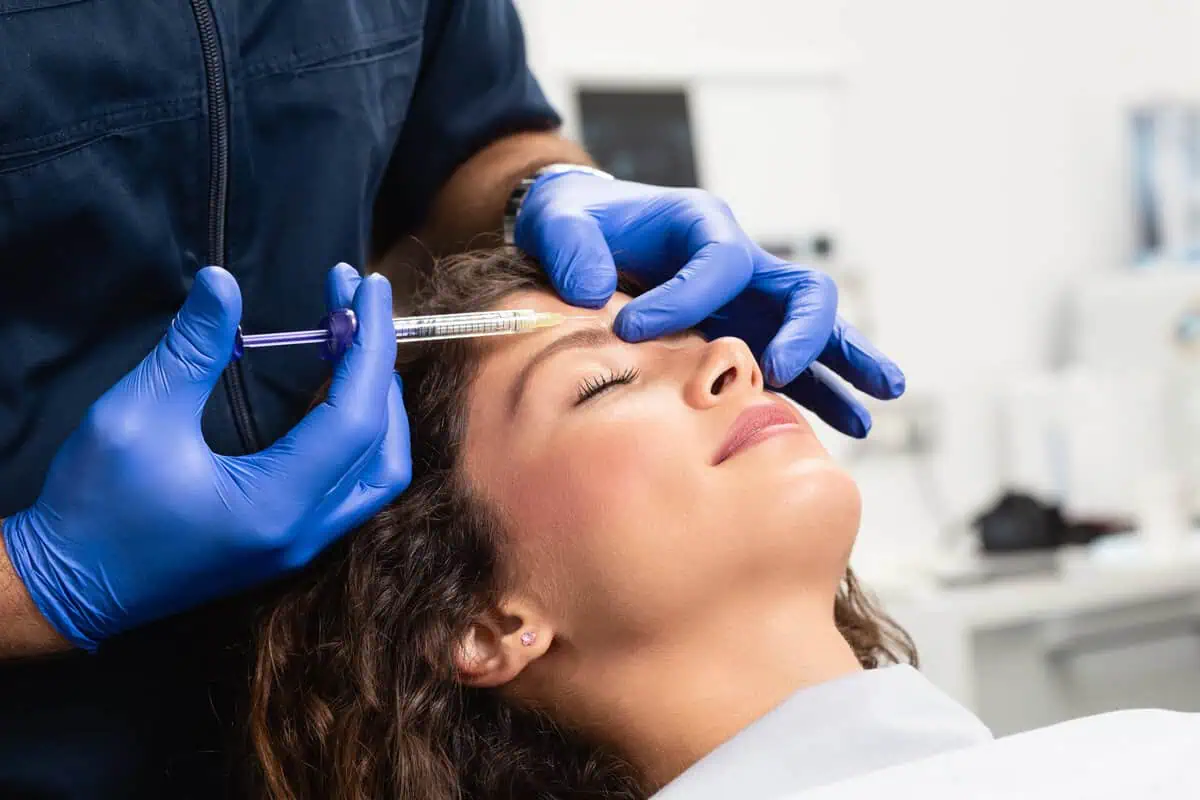
Table of Contents
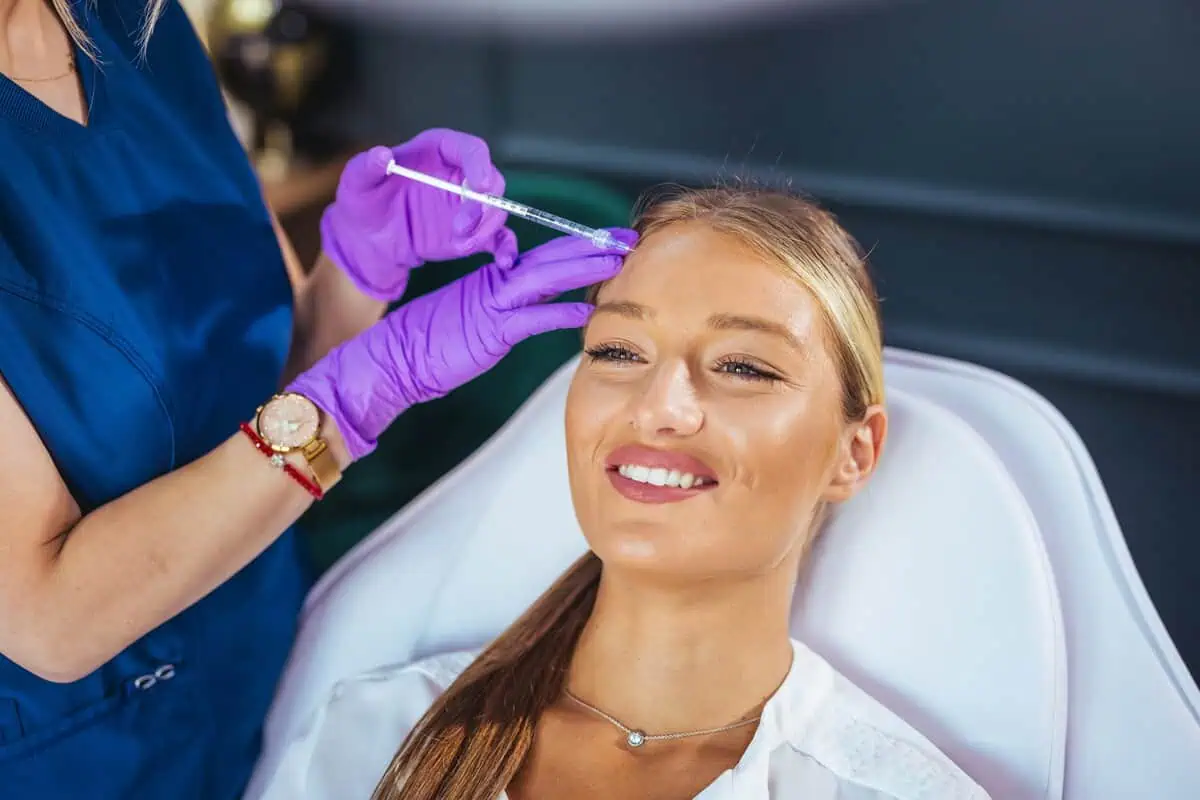
If you’re noticing early forehead lines or “11s” in your 20s, preventive Botox® can be a simple way to soften strong facial movement before those creases start lingering at rest. The right approach keeps your expression natural, targets only what needs treating, and helps you look more refreshed without looking “done.” A personalized consult makes it clear if starting now will actually benefit you, or if your skin would be better served with a different plan.
What “Preventive” Really Means in Real Life
Botox® works by relaxing targeted muscles. When those muscles contract less forcefully, the skin above them creases less. Over the years, repeated creasing can turn into lines that linger even when your face is at rest.
Preventive Botox® aims to intervene earlier in that timeline. The point isn’t to remove expression or lock your face into one look. The goal is to reduce the intensity of the movements that create the earliest “training lines,” especially in spots that people repeatedly use without realizing it.
That’s why you’ll see it discussed as Botox before wrinkles form. The concept is simple: if the crease happens less often and less deeply, the line may take longer to settle in.
The Question to Ask Isn’t “Am I Too Young?”
A lot of 20-somethings get hung up on age. This is because it feels like the obvious deciding factor. What matters more is what your skin is doing at rest and what your face does all day.
Try this quick check:
- Make your strongest expressions: frown, raise your brows, squint.
- Relax your face completely.
- Look at your skin in normal lighting, not under harsh overhead bulbs.
If you see lines that fade fast once you relax, that’s common and doesn’t automatically point to injectables. If you see lines that hang around after you stop moving, that’s the kind of pattern that makes some people consider Botox for wrinkle prevention earlier.
Another clue is behavior: lots of screen time, bright sun, and stress-driven frowning can build strong habits. Some patients are naturally expressive and have powerful forehead or glabellar muscles. Others don’t. Two people can be the same age and have completely different “risk profiles” for early etched lines.
Forehead Lines in Your 20s Are Not a Moral Failure
It’s worth saying plainly: Early lines can show up because of genetics, facial anatomy, dehydration, and lifestyle. That doesn’t mean you did something wrong. It also doesn’t mean you need to “fix” it.
A more useful question is what you want your face to do. Do you want your forehead to move freely? Do you want it to move a little less? Do you want to soften one specific crease that’s starting to stick? If your goal is subtle and specific, preventive Botox® can make sense. If your goal is “I never want to see a line,” you’re setting yourself up for disappointment and potentially an over-treated look.
For patients concerned about forehead lines prevention, it helps to know that forehead treatment is rarely the best first move. Many injectors start by addressing the area between brows (the “11s”). The reason for this is that strong frowning can drive other patterns. Treatment planning should match your movement, not a one-size plan.
Why Some People Love Starting Early
When preventive Botox® is done conservatively, many patients prefer it for some straightforward reasons:
- Makeup sits better because it’s not settling into the same creases
- Certain lines stop “printing” into the skin after long days
- Photos look more relaxed without changing facial features
- The look feels low-effort once the routine is established
It can also be a confident decision. Some patients don’t want to wait until a line feels deep or permanent. They’d rather take a small step sooner.
This is where you might hear about baby Botox in your 20s. The term usually refers to smaller doses placed strategically for a softer result.
- Done well, it can look like you, just less tense.
- Done poorly, it can look like you’re trying too hard.
The injector matters.
Reasons It May Not Be Worth It
Preventive Botox® is not a universal “smart choice.” Here are some common reasons some patients decide to wait:
- No lines at rest, so there’s nothing to meaningfully soften yet.
- The real issue is texture, acne, pigmentation, or dryness. These issues Botox® will not fix.
- The budget would be better spent on consistent skincare and sun protection.
- The idea of repeating appointments every few months feels like a chore.
There’s also the simple reality that Botox® is maintenance. If you love the result, you may want to keep it going. That’s not a bad thing, but it should be a conscious decision.
What a Conservative Preventive Plan Looks Like
A smart approach in your 20s usually means fewer units, fewer areas, and a very clear goal. You are not actually aiming for “no movement.” Your objective is controlled movement.
A typical conservative plan may include:
- Treating one area first, then reassessing
- Choosing doses that soften expression instead of flattening it
- Adjusting placement based on how your face responds
If a provider recommends treating your entire upper face right away without explaining why, that’s a reason to pause and ask more questions. Good injectors love questions. They want you to understand what’s being done and what the expected result is.
The Overlooked Factor: Habits that Quietly Create lines
Even if you decide that preventive Botox® makes sense, it helps to address the everyday habits that push lines deeper. Botox® can reduce muscle movement, but it cannot replace skincare.
For forehead lines prevention, these basics matter more than most patients want to admit:
- Daily sunscreen, even on cloudy days
- Sunglasses that stop squinting
- Retinoids, if your skin tolerates them
- Hydration and barrier support, so your skin isn’t constantly irritated
Many patients are surprised by how much better their skin looks when these are consistent. Sometimes that consistency removes the urgency for injectables. In certain cases, it can make injectables work even better.
A Quick Note for Locals: Preventive Botox in Wesley Chapel
If you’re researching preventive Botox Wesley Chapel, the best next step is not hunting for the lowest price. It’s finding a provider who assesses your facial movement, explains dosing, and has a track record of natural results. Preventive treatment is subtle by design, so technique is everything. Placement matters as much as product.
Jackani Esthetics Medical Spa Cosmetic Injectables in Wesley Chapel, FL
Looking for a way to refresh your appearance without surgery? Cosmetic injectables are an excellent option for softening fine lines, adding volume, and supporting long-term skin health.
At Jackani Esthetics Medical Spa in Wesley Chapel, FL, we offer a full range of injectable treatments that are customized just for you. For your first Botox® appointment or when exploring fillers like Juvederm® or Sculptra®, our team is here to make you feel supported and confident.
We create a calm, spa-like space where results look natural, and you always feel like yourself.
Curious if preventive Botox® is right for you? Schedule a consultation at Jackani Esthetics in Wesley Chapel to discuss your goals.
Frequently Asked Questions
Is skin analysis needed before trying Botox in my 20s?
A skin analysis isn’t required, but it can help your provider spot concerns like dehydration, sun damage, or sensitivity so that Botox treatment can be provided.
Will preventive Botox in my 20s stop wrinkles completely?
It can slow the development of certain expression lines by relaxing targeted muscles, but it won’t prevent all aging changes or replace good skincare and sun protection.
What areas are most common for Botox before wrinkles form?
The most commonly treated areas are the 11s between the brows, the forehead, and crow’s feet